The Lincoln penny has maintained its status as a foundational element of numismatics well into February 2026. While many view these small copper and zinc discs as mere pocket change, dedicated enthusiasts recognize them as historical artifacts with significant financial potential. Since its debut in 1909, the Lincoln cent has undergone various design and composition changes, each contributing to a complex market where rarity and condition dictate worth. As we navigate the current collecting landscape, understanding the nuances of mintage figures and strike quality is vital for identifying coins that carry a premium over their face value.
Table of Contents
Technical Analysis of Early Wheat Cent Rarities
Early Lincoln cents produced between 1909 and 1930 are currently seeing increased demand among serious collectors. The most famous of these is the 1909-S VDB which features the initials of designer Victor David Brenner on the reverse side. Public outcry over the size of the initials led to their removal shortly after production began at the San Francisco Mint, resulting in a low mintage of only 484,000 pieces. In today’s market, even heavily circulated examples command high prices while those in mint state remain crown jewels for any portfolio. Another critical rarity is the 1914-D which saw a limited production run at the Denver Mint and is frequently targeted by counterfeiters due to its high market value.
Impact of Wartime Metal Shortages on 1943 Issues
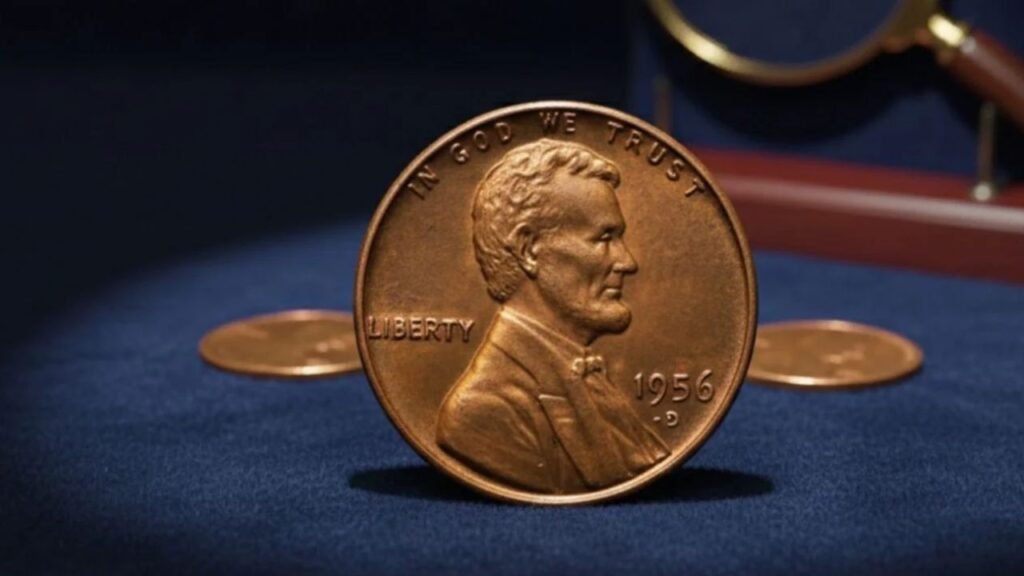
The year 1943 remains a pivotal point in the history of American coinage because of the strategic need for copper during World War II. To support the war effort, the United States Mint produced cents using zinc-coated steel planchets. These steel pennies are easily identified by their silver appearance and magnetic properties. However, the true treasures of this era are the error coins. A handful of copper planchets remained in the hoppers from 1942 and were accidentally struck with 1943 dies. These 1943 bronze cents are among the most valuable items in numismatics, with confirmed specimens often reaching six-figure prices at major auction houses this year.
Evaluating Die Varieties and Modern Errors
Error collecting has matured significantly as a sub-sector of the hobby in 2026. The 1955 doubled die obverse remains the gold standard for variety collectors because the doubling is visible to the naked eye on the date and lettering. This occurred when the coin die was hubbed incorrectly, creating a blurred effect that cannot be replicated by simple wear. More modern varieties such as the 1972 doubled die and the 1983 doubled die reverse also see active trading. Collectors are increasingly utilizing high-resolution digital microscopy to verify these doubling effects, ensuring that minor machine doubling is not confused with genuine die varieties.
Current Market Valuation and Grading Standards
| Year and Mint Mark | Notable Variety | Estimated Value (Fine) | Estimated Value (MS65) |
| 1909-S VDB | Designer Initials | $850 | $12,000 |
| 1914-D | Key Date | $185 | $4,500 |
| 1922 No D | Die Error | $600 | $25,000 |
| 1943 Steel | Common Zinc/Steel | $1 | $25 |
| 1943 Bronze | Rare Error | $150,000 | $500,000+ |
| 1955 DDO | Doubled Die | $1,200 | $15,000 |
| 1972 DDO | Doubled Die | $30 | $650 |
Practical Application for Modern Scavenging
While the most expensive rarities are typically found in estate sales or professional auctions, many collectors still find success through a method known as roll hunting. This involves obtaining boxes of pennies from banks and searching for older copper cents or modern errors. In 2026, many hunters are focusing on the 1982 transition year when the composition shifted from 95% copper to a copper-plated zinc core. Identifying the rare 1982-D small date bronze cent requires a precision scale, as the copper version weighs 3.11 grams compared to the 2.5 grams of the zinc version. This practical approach allows beginners to build a collection with minimal financial risk while learning the technical aspects of coin grading.
Key Takeaways
- Early mint marks like S and D often indicate lower mintage and higher scarcity.
- The 1943 copper cent is a premier rarity born from a wartime production mistake.
- Professional grading by third-party services is essential for authenticating high-value errors.
- Composition changes in 1982 created weight-based varieties that are still found in circulation.
- Condition is the primary driver of value for common dates in the Lincoln series.