The UK government has confirmed that updated driving licence rules for motorists aged 70 and over will officially take effect from March 2026. This announcement follows a comprehensive review of road safety standards and administrative efficiency, specifically targeting the triennial renewal process that senior drivers must navigate. While the fundamental right to drive remains based on individual fitness rather than a specific age cap, the new framework introduces tighter digital verification and more rigorous health disclosure requirements to ensure all road users remain safe.
Table of Contents
Enhanced Medical Self Declaration Protocols
The most significant shift within the 2026 update involves the depth of the medical self declaration process. Previously, drivers were required to provide a general confirmation of their fitness to drive every three years. From March 2026, the renewal portal will feature an expanded questionnaire with specific prompts regarding cognitive health, neurological stability, and cardiovascular conditions. This granular approach is designed to help drivers identify potential issues they might have previously overlooked, such as the early stages of dementia or complications from diabetes.
Mandatory Digital Identity Verification
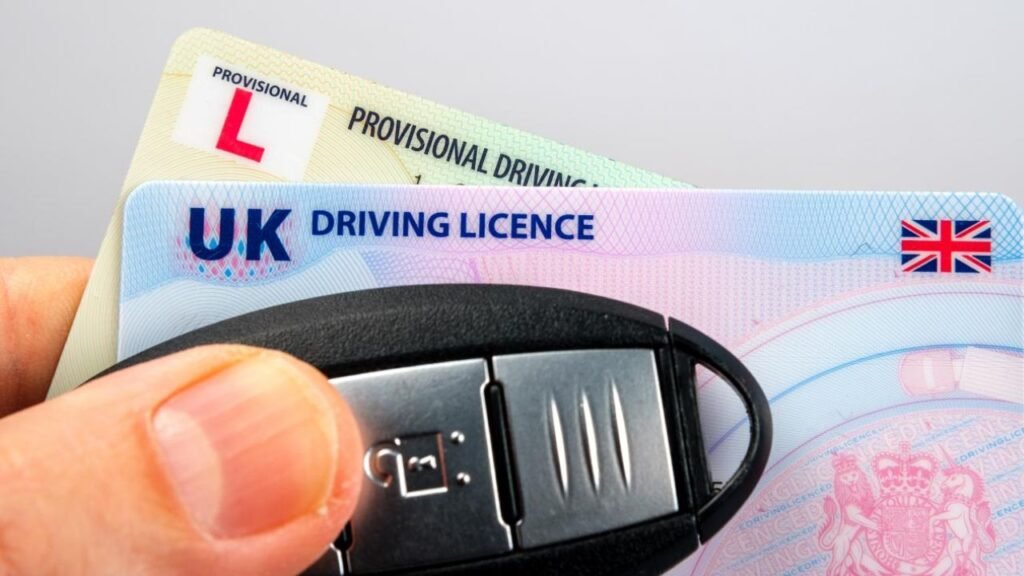
To streamline the application process and reduce the risk of document fraud, the DVLA is implementing an enhanced digital identity verification system. Motorists renewing their licence online will now be required to use a verified digital ID, often linked to a valid UK passport or the government’s centralised digital identity service. While paper applications will still be accepted for those who cannot access the internet, the government is incentivising the digital route by offering faster processing times, with most digital licences arriving within five working days.
Updated Eyesight and Vision Standards
While the basic requirement to read a number plate from 20 metres remains the standard, the 2026 rules place a stronger emphasis on regular optometry checks. The new guidance suggests that drivers should have a professional eye examination within six months of their renewal date. The digital renewal system will now include a mandatory field for drivers to confirm they have had their vision checked by a professional, moving away from the purely informal “self-test” of reading a number plate in a driveway.
Comparison of Renewal Requirements
| Feature | Rules Prior to March 2026 | New Rules From March 2026 |
| Renewal Frequency | Every 3 years after age 70 | Every 3 years after age 70 |
| Application Fee | $0 (Free) | $0 (Free) |
| Medical Declaration | General self-assessment | Detailed, condition-specific prompts |
| ID Verification | Physical documents or basic online | Enhanced secure digital ID verification |
| Vision Check | Informal self-test (20 metres) | Mandatory confirmation of recent professional test |
| Processing Time | Up to 3 weeks | 5 working days (Digital) |
Professional Reporting and GP Consultations
The 2026 framework provides clearer pathways for healthcare professionals to interact with the licensing authorities. Under the updated guidance, GPs and specialists are being provided with a streamlined reporting system to notify the DVLA if a patient’s health has declined to a level where driving is no longer safe. This is not a new legal power, but rather a refinement of existing protocols to ensure that medical professionals feel supported when they must make the difficult decision to advise a patient to stop driving for public safety reasons.
For drivers approaching the age of 70 today, the most practical step is to ensure that all health records are up to date and that a professional eye test is booked well in advance of the March 2026 transition. The new system is not designed to take cars away from capable drivers; instead, it provides a more robust safety net. By engaging with the digital tools early and being transparent during the declaration process, senior motorists can avoid delays and ensure their insurance remains valid, as insurers will be checking for compliance with these updated 2026 standards.
Key Takeaways
- Licences must still be renewed every three years once a driver reaches age 70.
- There is no requirement for a mandatory driving retest solely based on age.
- Renewal remains free of charge for all motorists aged 70 and above.
- The 2026 updates focus on clearer medical reporting and faster digital processing.
- Failure to declare a relevant medical condition can result in a fine of up to $1000.